Editorial
Pray for those who suffer from a mental illness

VICKSBURG, Miss. (VDN) —
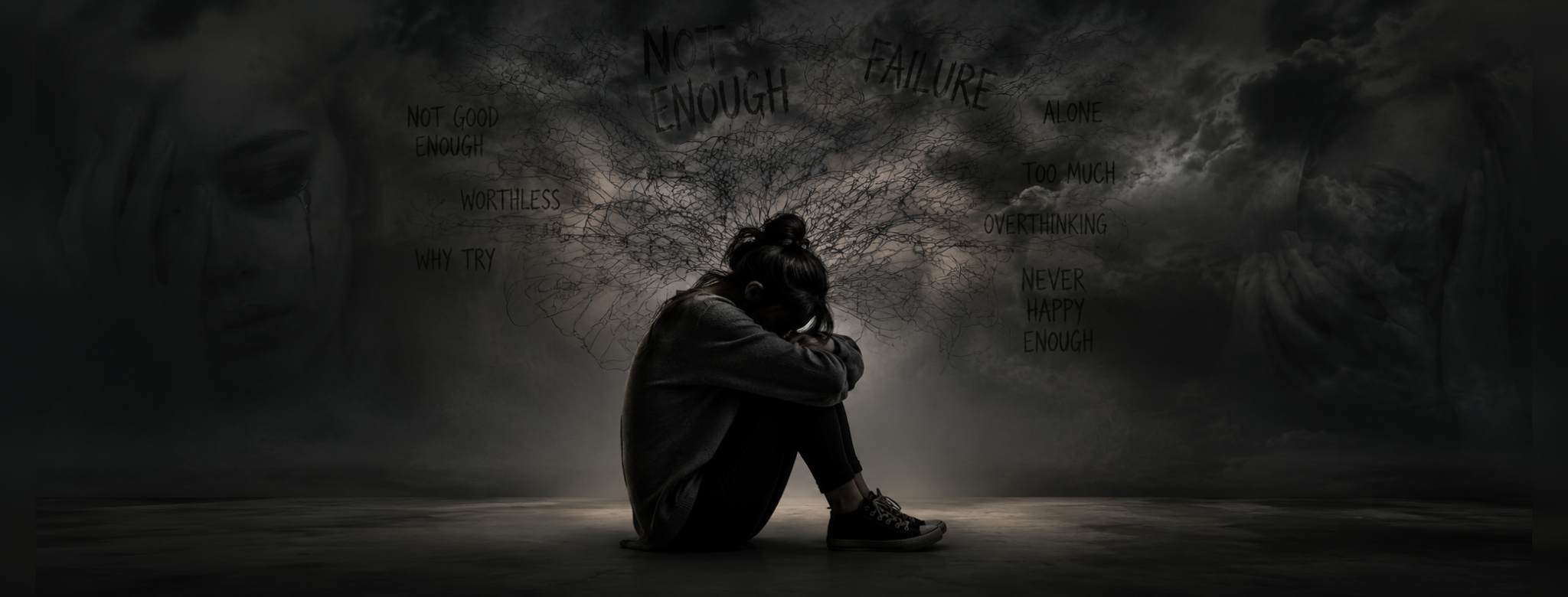
Mental illness is one of the quietest battles fought every day, yet it touches nearly every family in one way or another. Whether it is depression, anxiety, an eating disorder or another mental health condition, these struggles are far more common than many people realize. Still, they often fail to receive the understanding, compassion and attention they deserve.
For many people, faith provides strength during life’s darkest moments. Prayer can bring comfort, hope and peace to those who are suffering and to the families walking alongside them. It can remind people that even in their hardest moments, they are not forgotten.
But prayer should never be the only response.
Mental illness does not discriminate. It affects children, teenagers, adults and the elderly. It does not care about someone’s background, career or financial status. It can leave people feeling confused, exhausted and overwhelmed. Some battle paranoia or hallucinations. Others struggle to understand situations or connect with the people they love. For many, the pain becomes so overwhelming that they experience thoughts of suicide.
These are not signs of weakness. They are signs that someone is hurting.
Sometimes the greatest gift we can offer isn’t advice—it’s our presence. Give someone the opportunity to talk. Listen without interrupting or judging. Don’t assume you know what they are going through, because every person’s journey is different. Let them know they are seen, valued and loved.
No one chooses to live with constant fear, anxiety or emotional pain. Even the smallest event can trigger a mental health crisis. A kind word, a phone call, a visit or simply sitting beside someone in silence can make more of a difference than we may ever know. We all have the ability to be a light for someone whose world has become dark.
The families of those living with mental illness also carry a heavy burden. Watching someone you love struggle can bring heartbreak, exhaustion and feelings of helplessness. They need encouragement, prayer and support just as much as the person facing the illness.
If we truly want to make a difference, we must replace judgment with compassion, silence with conversation and stigma with understanding. Every act of kindness reminds someone that hope still exists.
Mental illness is real, but so is love. So is hope. So is the difference one caring person can make.
Some common mental illnesses include:
- Depression
- Anxiety disorders
- Bipolar disorder
- Obsessive-compulsive disorder (OCD)
- Post-traumatic stress disorder (PTSD)
- Schizophrenia
- Eating disorders (anorexia, bulimia and binge-eating disorder)
- Panic disorder
- Social anxiety disorder
- Generalized anxiety disorder (GAD)
- Borderline personality disorder (BPD)
- Attention-deficit/hyperactivity disorder (ADHD)
- Autism spectrum disorder (ASD)
- Seasonal affective disorder (SAD)
- Substance use disorders
- Dissociative disorders
- Phobias
- Insomnia and other sleep-related disorders associated with mental health